
Understanding Sacroiliac (SI) Joint Stretches

SI joint stretches, often detailed in downloadable PDF guides, address pain stemming from ligament issues caused by posture, accidents, or pregnancy.
What is the Sacroiliac Joint?
The sacroiliac (SI) joint is the crucial connection point where the sacrum – your tailbone – articulates with the ilium, forming part of your hip bone, or pelvis. This joint isn’t a simple hinge; it’s a complex structure held together by a network of strong ligaments.
These ligaments can become strained or overstretched over time due to various factors, including consistently poor posture, accidental injuries like falls, repetitive movements, or the physiological changes experienced during pregnancy. Understanding the SI joint’s anatomy is fundamental when exploring SI joint stretches, often detailed in comprehensive PDF guides available online. These guides frequently illustrate the joint’s location and function, aiding in proper exercise execution.
Causes of SI Joint Dysfunction
Several factors can contribute to SI joint dysfunction, leading to lower back pain and discomfort. Poor posture, whether habitual or due to work demands, places undue stress on the joint. Accidents, falls, and direct trauma can injure the ligaments supporting the SI joint, causing instability.

Repetitive movements, particularly those involving twisting or lifting, can also strain the joint over time. Pregnancy introduces hormonal changes that relax ligaments, increasing susceptibility to SI joint issues. Detailed PDF guides on SI joint stretches often emphasize identifying the root cause to tailor exercises effectively. Understanding these causes is crucial before beginning any stretching routine, ensuring safe and targeted relief.
Common SI Joint Pain Symptoms
SI joint pain often manifests as lower back discomfort, potentially radiating to the buttocks or legs, as detailed in PDF guides.
Lower Back Pain Characteristics
Lower back pain associated with SI joint dysfunction, often illustrated in comprehensive PDF guides on SI joint stretches, frequently presents as a dull ache concentrated around the lower back and buttocks. This pain can be localized, meaning it stays primarily in the SI joint area, or it may radiate into the groin, hip, and even down the leg – mimicking sciatica.
Many PDF resources emphasize that the pain is often aggravated by prolonged sitting, standing, or walking, and can be relieved by movement or changing positions. Unlike pain stemming from a disc issue, SI joint pain rarely travels below the knee; Detailed PDF guides often highlight the importance of identifying these pain characteristics to differentiate SI joint pain from other lower back conditions, ensuring appropriate stretching and exercise protocols are followed.
Pain Referral Patterns
SI joint pain doesn’t always stay localized; detailed PDF guides on SI joint stretches often illustrate common referral patterns. Pain can radiate into the buttocks, feeling like deep ache, and down the posterior thigh – frequently mistaken for sciatica. However, unlike true sciatica, it rarely extends below the knee.
PDF resources emphasize that pain may also be felt in the groin, hip, and even the front of the thigh, creating a complex presentation. Understanding these referral patterns, as depicted in many SI joint stretch PDFs, is crucial for accurate diagnosis and targeted exercise selection. These guides often include diagrams showing the typical areas of pain referral, aiding in self-assessment and guiding individuals towards appropriate stretches for relief.

Benefits of SI Joint Stretches
PDF guides detail how SI joint stretches reduce pain, improve mobility, and enhance stability by addressing ligament imbalances and restoring proper joint function.
Pain Reduction
SI joint stretches, comprehensively outlined in available PDF resources, aim to alleviate discomfort by addressing the root causes of dysfunction. These guides often emphasize that pain arises from stretched or irritated ligaments connecting the sacrum and ilium.
By gently mobilizing the joint and surrounding muscles – as demonstrated in exercises like the knee-to-chest stretch – tension is released, reducing inflammation and easing pain. PDF guides frequently illustrate proper form to maximize effectiveness and prevent further injury; Consistent stretching, as detailed in these resources, can diminish pain signals and improve overall comfort, allowing for increased functional movement. The Fortin Finger Test, often included in PDFs, helps pinpoint the source of pain, guiding targeted stretching.
Improved Mobility
SI joint stretches, readily accessible through detailed PDF guides, are crucial for restoring a full range of motion often limited by joint dysfunction. These resources highlight how tightness in surrounding muscles, like the piriformis, can restrict pelvic movement and contribute to stiffness.
Exercises like hamstring stretches, frequently illustrated in PDFs, improve flexibility and allow for better pelvic alignment, enhancing mobility. Consistent practice, guided by these resources, can loosen restricted tissues and improve joint lubrication. The Clam Shell exercise, often detailed in PDFs, strengthens stabilizing muscles, supporting increased movement. Ultimately, improved mobility translates to easier daily activities and a greater capacity for physical function.
Enhanced Stability
SI joint stability, often addressed in comprehensive PDF guides, relies on strengthening the muscles surrounding the joint. Isometric exercises, frequently detailed in these resources, engage these muscles without movement, building foundational support. These PDFs emphasize that a stable SI joint reduces pain and prevents further dysfunction.
Exercises like isometric hip abduction and adduction, illustrated in downloadable guides, target key stabilizing muscles. The Bridging exercise, commonly found in PDFs, further strengthens glutes and core, contributing to overall pelvic control. Consistent practice, guided by these resources, improves neuromuscular control and enhances the joint’s ability to withstand stress, leading to long-term stability and reduced risk of re-injury.

Essential Stretches for SI Joint Relief
PDF guides detail stretches like knee-to-chest, piriformis, hamstring, and quadratus lumborum, offering relief by addressing muscle imbalances around the SI joint.
Knee-to-Chest Stretch (Single Leg)
PDF resources frequently highlight the single leg knee-to-chest stretch as a foundational exercise for SI joint pain relief. Begin by lying flat on your back, ensuring your knees are bent and feet remain firmly planted on the floor for stability.
Lock your hands together under one knee, gently drawing it towards your chest while consciously keeping your lower back pressed against the floor throughout the movement. This action promotes decompression of the SI joint.
Hold this stretch for approximately 15 to 30 seconds, repeating the process 2 to 4 times on each leg. Proper form is crucial; avoid arching your back. Many PDF guides include visual aids demonstrating correct technique, emphasizing controlled movements for optimal benefit.
Proper Form and Technique
PDF guides consistently emphasize maintaining proper form during the single leg knee-to-chest stretch for maximizing benefits and preventing injury. Begin by ensuring your lower back remains firmly anchored to the floor throughout the entire exercise; avoid any arching.
As you draw your knee towards your chest, focus on engaging your core muscles to stabilize your spine. The movement should be slow and controlled, not jerky or forced.
Detailed PDF instructions often advise using a pillow under your head or neck for added comfort. Visualize gently pulling the knee towards the chest, rather than lifting with your hip flexors. Correct technique, as illustrated in many guides, is paramount for effective SI joint relief.
Piriformis Stretch
Many SI joint stretch PDF guides highlight the piriformis stretch as crucial, as a tight piriformis muscle can irritate the sciatic nerve and contribute to lower back and buttock pain. Lie on your back with knees bent and feet flat.
Cross your affected leg over the opposite knee, forming a figure-four shape. Gently pull the thigh of the bottom leg towards your chest until you feel a stretch in your buttock.
PDF resources often demonstrate variations, including using a strap around the thigh for increased leverage. Maintain a relaxed posture and breathe deeply throughout the stretch. Proper form, detailed in downloadable guides, ensures targeted muscle engagement and optimal relief.
Variations for Different Flexibility Levels
SI joint stretch PDFs frequently offer piriformis stretch modifications for varying flexibility. Beginners can perform the stretch while seated, gently twisting towards the bent knee. This reduces intensity.
Intermediate levels can utilize a wall for support, leaning back while maintaining the figure-four position. Advanced practitioners may deepen the stretch by pulling the bent knee closer to the chest, or by performing the stretch lying supine with a resistance band.
PDF guides emphasize listening to your body and avoiding overstretching. Detailed illustrations demonstrate proper alignment for each variation, ensuring safe and effective execution. Progress gradually, always prioritizing comfort and controlled movements.
Hamstring Stretches
SI joint stretch PDFs highlight the crucial link between hamstring flexibility and pelvic alignment. Tight hamstrings can pull the pelvis posteriorly, exacerbating SI joint dysfunction. Static stretches, like towel hamstring stretches while lying supine, are commonly recommended.
Dynamic stretches, such as leg swings, improve hamstring mobility without overstretching. PDF guides often include variations – seated hamstring stretches, standing toe touches – catering to different comfort levels.
Proper form is emphasized: maintaining a neutral spine and avoiding rounded backs. Consistent hamstring stretching, as detailed in these resources, helps restore optimal pelvic positioning, reducing stress on the SI joint.
Importance for Pelvic Alignment
SI joint stretch PDFs consistently emphasize that hamstring flexibility directly impacts pelvic alignment. Tight hamstrings create a posterior pelvic tilt, increasing stress on the sacroiliac joints and contributing to lower back pain.
Restoring proper alignment through consistent hamstring stretching reduces this strain. PDF guides illustrate how a neutral pelvic position distributes weight more evenly, minimizing SI joint irritation.
Maintaining alignment isn’t just about stretching; it’s about strengthening core muscles to support that alignment. These resources often integrate hamstring work with core stabilization exercises for a holistic approach.
Quadratus Lumborum Stretch
SI joint stretch PDFs frequently feature the Quadratus Lumborum (QL) stretch, targeting the deep abdominal muscle connecting the spine to the pelvis. To perform, lie on your back with knees bent and feet flat. Gently pull your affected knee towards your opposite shoulder with your hand.
These guides highlight that this stretch alleviates lower back and hip discomfort by releasing tension in the QL muscle. PDFs often include modifications for comfort, such as using a pillow under the head or performing the stretch with both knees bent.
Hold for 15-30 seconds, repeating 2-4 times per leg, ensuring a gentle stretch without forcing the movement.
Modifications for Comfort
SI joint stretch PDF guides emphasize adapting exercises for individual comfort levels. For the Quadratus Lumborum stretch, a pillow under the head or neck can reduce strain. Beginners may find it easier to keep both knees bent during the knee-to-chest stretch, as detailed in many PDFs.
If experiencing pain, reduce the range of motion or hold time. PDF resources often suggest performing stretches against a wall for added support. Listen to your body and avoid pushing beyond a comfortable limit.
These modifications ensure safe and effective stretching, minimizing the risk of exacerbating SI joint dysfunction. Prioritize gentle movements and proper form over intensity.
Isometric Exercises for SI Joint Stabilization
PDF guides detail isometric holds – hip flexion, extension, abduction, and adduction – performed on the floor to strengthen SI joint muscles.
Isometric Hip Abduction
PDF resources emphasize isometric hip abduction as a foundational exercise for SI joint stability. To perform this, lie on your side with legs straight. Slowly attempt to move your top leg outwards, resisting the motion with your core and gluteal muscles – do not actually move the leg.
Hold this contraction for 5-10 seconds, focusing on engaging the muscles around the hip. Repeat 10-15 times on each side. Detailed PDF guides often illustrate proper form, ensuring the pelvis remains stable throughout the exercise. This prevents compensatory movements and maximizes effectiveness.
This exercise strengthens the hip abductors, crucial for controlling pelvic movement and supporting the SI joint. Consistent practice, as outlined in comprehensive PDFs, contributes to long-term stability and pain reduction.
Isometric Hip Adduction
PDF guides frequently include isometric hip adduction as a key component of SI joint stabilization routines. Begin by lying on your side, legs extended. Place a soft object, like a pillow or rolled towel, between your inner thighs. Attempt to squeeze your legs together, pressing against the resistance of the object – again, avoid actual movement.
Maintain this contraction for 5-10 seconds, concentrating on activating the inner thigh muscles (adductors). Repeat the exercise 10-15 times on each side. PDF illustrations demonstrate correct positioning, emphasizing a stable pelvis.
Strengthening the hip adductors helps control pelvic tilt and supports the SI joint. Consistent practice, guided by detailed PDF instructions, promotes improved stability and reduced discomfort.
Isometric Hip Extension
PDF resources dedicated to SI joint exercises commonly feature isometric hip extension as a foundational stabilization technique. Lie face down with your legs straight. Gently attempt to lift your affected leg towards the ceiling, but resist the movement with your gluteal muscles – no actual lifting should occur.
Hold this contraction for 5-10 seconds, focusing on engaging the glutes and hamstrings. Repeat 10-15 times per leg. PDF guides often include visual cues to ensure proper form, emphasizing core engagement and a neutral spine.
This exercise strengthens the hip extensors, crucial for supporting the pelvis and reducing stress on the SI joint. Following PDF instructions diligently ensures safe and effective execution.

Advanced SI Joint Exercises
PDF guides detail advanced exercises like clam shells, pelvic tilts, and bridging, building upon foundational stretches for enhanced SI joint stability.
Clam Shell Exercise
The clam shell exercise, frequently illustrated in SI joint stretch PDF guides, is a fantastic way to strengthen the hip abductors – crucial muscles for pelvic and SI joint stability. To perform it, lie on your side with knees bent at approximately 90 degrees, keeping your feet together. Support your head with a hand or pillow for comfort.
Activate your core muscles to maintain a stable spine. Slowly lift your top knee upward, keeping your feet touching throughout the movement. Imagine opening and closing a clam shell. PDF resources often recommend completing three sets of ten repetitions, with a 30-second rest between sets, performing this daily.
Progressions and Resistance: As you gain strength, consider adding a resistance band around your thighs, just above the knees, to increase the challenge. This enhances muscle activation and further improves SI joint control.
Progressions and Resistance
PDF guides detailing SI joint exercises often outline progressions for the clam shell, enhancing its effectiveness. Initially, focus on mastering the form with bodyweight. Once comfortable, introduce a resistance band looped around your thighs, just above the knees. This increases gluteus medius activation, vital for SI joint stabilization.
For a greater challenge, use a heavier resistance band or increase the repetitions. Maintaining proper form is paramount; avoid arching your back or rotating your pelvis. Advanced variations include performing the exercise with a slight hip external rotation, further engaging the target muscles.
Remember to consult PDF resources or a healthcare professional to ensure correct technique and avoid exacerbating any existing pain. Gradual progression is key to building strength and stability safely.
Pelvic Tilts
SI joint PDF guides frequently feature pelvic tilts as a foundational exercise. Lie on your back with knees bent and feet flat, maintaining a neutral spine. Gently flatten your lower back against the floor by tightening your abdominal muscles and tilting your pelvis upward – this is a posterior tilt.
Then, gently arch your lower back slightly, creating a small space between your back and the floor – an anterior tilt. Focus on small, controlled movements, breathing deeply throughout.
These tilts improve awareness of pelvic position and enhance core stability, crucial for SI joint function. PDF resources emphasize performing 10-15 repetitions, focusing on smooth, coordinated motion. Avoid holding your breath or forcing the movement.
Bridging Exercise
Many SI joint stretch PDF guides incorporate the bridging exercise to strengthen glutes and hamstrings, supporting pelvic stability. Lie on your back with knees bent, feet flat on the floor, and arms at your sides. Engage your core and glutes, then lift your hips off the floor, creating a straight line from shoulders to knees.
Hold this position briefly, squeezing your glutes at the top. Slowly lower your hips back down. Focus on maintaining a neutral spine throughout the movement, avoiding excessive arching or rounding of the back.
PDF resources often suggest 10-15 repetitions, potentially adding resistance bands around the thighs for increased challenge.

Resources for SI Joint Stretch Guides (PDFs)
Comprehensive SI joint stretch PDF guides, including the Fortin Finger Test, are readily available online to enhance your stretching routine effectively.
Finding Comprehensive PDF Guides
Locating detailed PDF guides for SI joint stretches is crucial for a safe and effective recovery. Many chiropractic websites and physical therapy resources offer downloadable materials. These guides often include illustrated exercises, step-by-step instructions, and modifications for varying fitness levels.
Specifically, search for resources detailing the “SI Joint Protocol,” which frequently incorporates exercises like the Clam Shell. Look for guides that also explain diagnostic tests, such as the Fortin Finger Test, to help understand the source of your pain.
Reputable sources will provide clear explanations of proper form and technique, emphasizing the importance of maintaining a neutral spine and engaging core muscles during each stretch. Prioritize guides created by qualified healthcare professionals to ensure accuracy and safety.
Fortin Finger Test Information in PDFs
PDF guides focusing on SI joint dysfunction frequently include information about the Fortin Finger Test, a valuable assessment tool. This test helps identify potential SI joint involvement by applying pressure to the posterior superior iliac spine (PSIS).
Comprehensive guides will detail the proper technique for performing the test, explaining how to assess for pain reproduction or movement restriction. Understanding the test’s positive and negative findings can aid in self-assessment, though it shouldn’t replace a professional diagnosis.
These PDFs often illustrate the anatomical landmarks and demonstrate the correct hand positioning. Remember, the Fortin Finger Test is just one component of a thorough evaluation; always consult a healthcare professional for accurate diagnosis and treatment.
Integrating SI Joint Stretches into a Routine
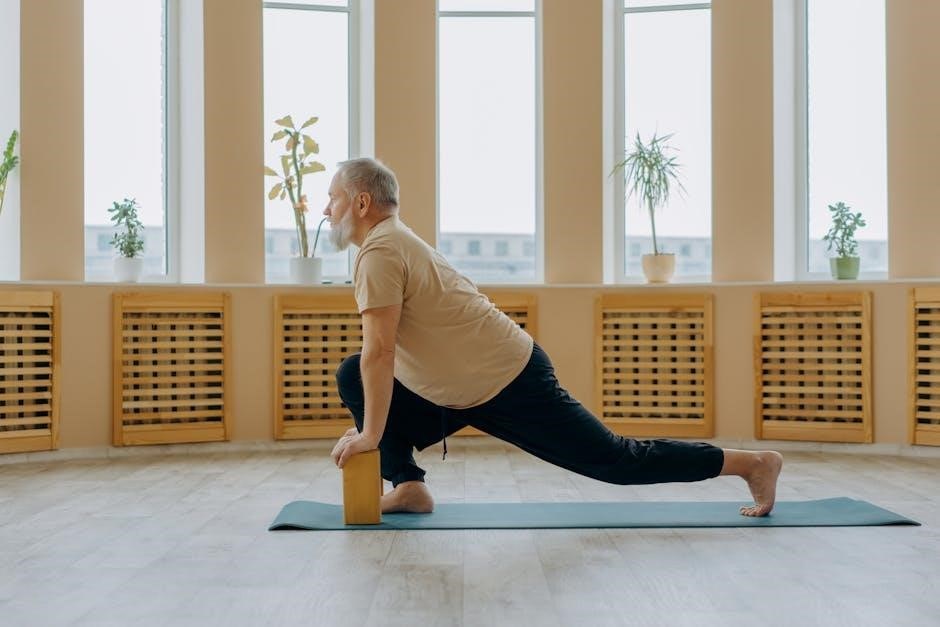
PDF guides suggest warming up before SI joint stretches, cooling down afterward, and performing them daily for optimal relief and stability.
Warm-up Recommendations
Before initiating SI joint stretches – as often detailed in comprehensive PDF guides – a proper warm-up is crucial for preparing the muscles and ligaments. Begin with five to ten minutes of low-impact cardiovascular activity, such as walking or gentle cycling, to increase blood flow to the pelvic region.
Follow this with dynamic stretches, focusing on movements that mimic the stretches you’ll be performing. Gentle pelvic tilts and leg swings are excellent choices. These movements help to improve range of motion and reduce the risk of injury. PDF resources often include specific warm-up sequences tailored to SI joint health. Remember to listen to your body and avoid any movements that cause pain. A well-prepared body responds better to stretching and stabilization exercises.
Cool-down Considerations
Following your SI joint stretch routine – often outlined in detailed PDF guides – a cool-down period is essential for gradually returning your body to a resting state. Begin with five minutes of gentle, static stretching, holding each stretch for 20-30 seconds. Focus on the muscles worked during the session, including the hamstrings, piriformis, and quadratus lumborum.
Deep breathing exercises can also help to calm the nervous system and promote relaxation. Many PDF resources emphasize the importance of mindful cool-downs. Avoid abrupt movements or complete rest immediately after exercise. A proper cool-down aids in reducing muscle soreness and improving flexibility, contributing to long-term SI joint health and stability.
Frequency and Duration
The frequency and duration of SI joint stretches, as often detailed in comprehensive PDF guides, depend on the severity of your symptoms and individual tolerance. Generally, performing stretches daily is beneficial, especially during periods of acute pain. Aim for 2-3 sets of each stretch, holding each for 15-30 seconds.
However, listen to your body and avoid pushing through pain. PDF resources often recommend starting with shorter durations and gradually increasing as your flexibility improves. Consistency is key; regular stretching, even for short periods, is more effective than infrequent, intense sessions. Adjust the routine based on your response and consult a healthcare professional for personalized guidance.